
Buying a Home in Boerne, Texas From Out of State: A Nashville Couple's Story (and Everything They Wanted to Know About Property Taxes)


A sweet couple in their 80s found us online. She was originally from Texas and had been wanting to move back for years. Before they’d commit to anything, they had two questions: Can you actually help us buy a house in Texas without us being there? And what is this going to do to our property taxes?
Both are the right questions to ask. And they’re the same two questions I hear from almost every retiree looking to leave a state like Tennessee for the Hill Country. So let me walk you through exactly how it went, and then let’s break down the tax piece in detail, because it’s the part that keeps people up at night.
Yes, We Can Help You Buy From Out of State
I answered this couple’s questions by phone and email for about two years before they decided to make the move. That’s not a typo. Two years. No pressure, just answers, whenever they had a new question. That patience is a big part of why they trusted us when they were finally ready.
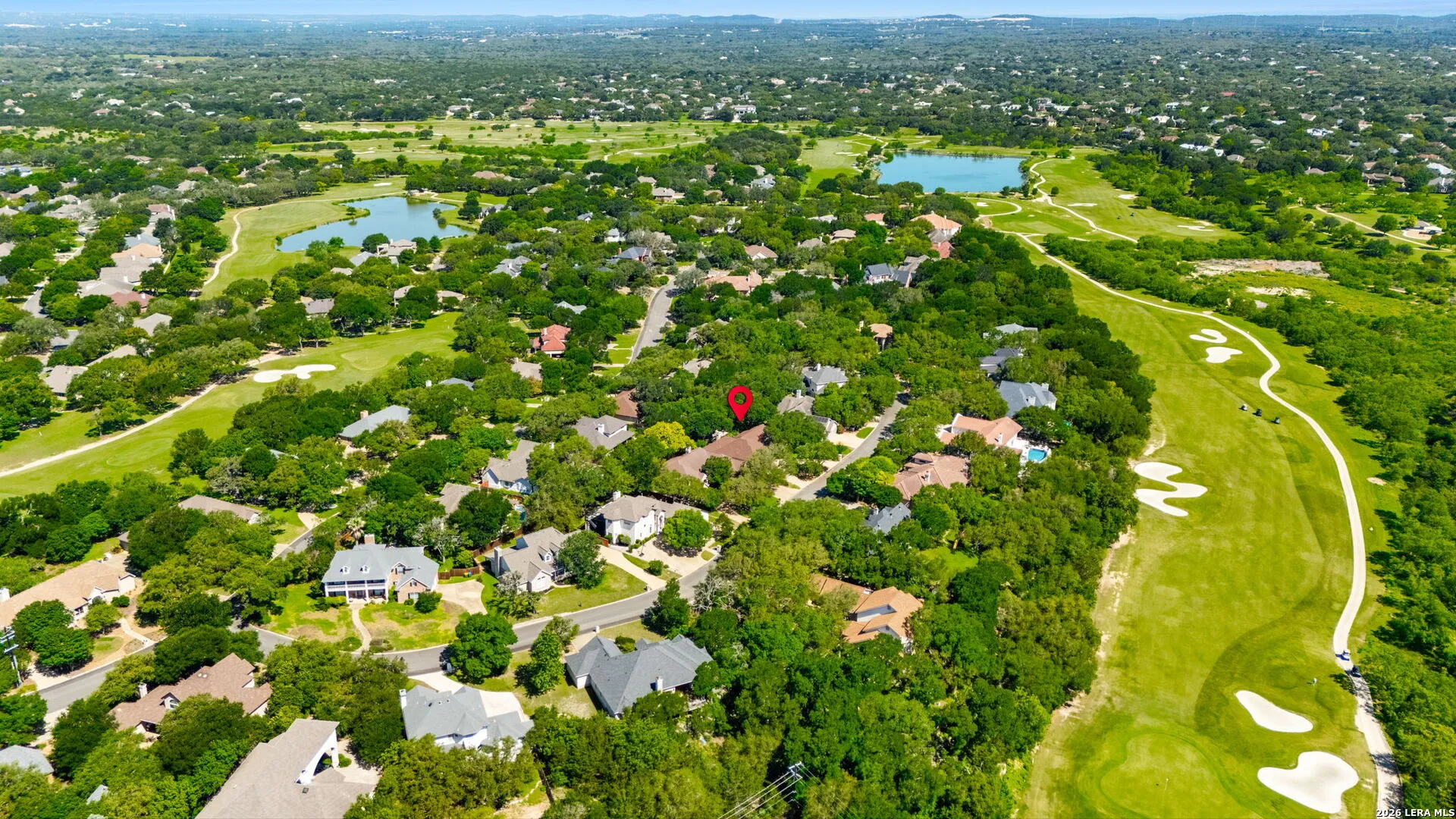
Once they decided to make the move, we found a home in Fair Oaks Ranch that looked like a great fit online. Here’s how we handled it from 800 miles away:
- A live FaceTime tour. We walked the house together in real time, just like a normal showing. They asked questions on the spot and got real answers on the spot.
- A reference video. After the FaceTime tour, I went back and filmed the whole house on my own so they’d have something to rewatch later, at their own pace.
- A neighborhood video. I also filmed the street itself: what the neighbors’ homes looked like, how well the area was kept up, the overall feel of the block. Photos of a house never tell you what a street feels like. Video gets a lot closer.
That was enough for them to make the call: this was the one.
Making the offer.
The home had been on the market a while and was vacant, not a seller’s market situation, so we reviewed comparable sales together and came in under list. We negotiated back and forth a bit and landed on a price both sides could live with.
The option period.
In Texas, once you’re under contract, the buyer gets a negotiated number of days (the option period) to do any due diligence they want: a general inspection, a roofer, an HVAC check, whatever the house calls for. If the buyer decides during that window that they don’t want to move forward, they can walk away. They forfeit the small option fee they paid the seller for that right, but their earnest money (a separate, larger deposit held by the title company and credited toward closing) comes back to them. We used that window to get every inspection scheduled, negotiate repairs and credits with the seller, and lock in that the washer, dryer, and refrigerator would stay as personal property rather than “real estate.”
Closing from Tennessee.
This buyer happened to be paying cash, so closing was simple. He signed everything via DocuSign from Tennessee. If he’d needed financing instead, we would have used a remote online notary or a mobile notary who comes to you; both are just as easy to set up, the paperwork is just different. Before he and his wife ever put pen to paper, I did the final walk-through myself to confirm the house was clean, empty, the negotiated appliances were still there, and the sellers hadn’t left any damage behind.
They won’t move in for another week. We’re already lining up contractors to knock out a few small items before he arrives.
None of that required them to set foot in Texas until they were ready to. That’s the honest answer to “can you help us buy from out of state”: yes, and here’s exactly what it looks like.
Now, Let's Talk Property Taxes
This was their real concern, and it’s a fair one. Texas doesn’t have a state income tax, but it makes up for that with property taxes that run noticeably higher than a state like Tennessee. For a retired couple on a fixed income, that’s not a small detail. It’s the whole ballgame. Here’s what actually applies once you turn 65.
The exemption amounts. Every homeowner already gets a $140,000 exemption off their home’s value for school district taxes (raised from $100,000 in 2025). Once you turn 65, you get an additional $60,000 exemption on top of that (up from just $10,000 before), for a combined $200,000 reduction in taxable value for school taxes. If your home is valued at $200,000 or less, that can wipe out your school property taxes entirely. These increases came from Senate Bills 4 and 23, confirmed by Texas voters in the November 2025 constitutional amendment election, and they apply retroactively to the 2025 tax year.
The school tax freeze.
This is the benefit that matters most over time. Once you qualify at 65, your school district taxes get frozen, capped at whichever is lower: what you paid the year you turned 65, or the following year’s amount. Your home’s value can keep climbing and your school tax bill won’t. (It can drop if values or rates fall, and it can only go up if you add something substantial, like a garage or a pool.) One important caveat: the freeze only applies to school
district taxes, not county, city, hospital district, or community college taxes. Some cities have added their own senior exemptions on top of what the state requires, so it’s worth checking what your specific city and county offer.
The surprise nobody warns you about.
Here’s the part I make sure every out-of-state buyer hears before they close, not after: these benefits key off who owns and lives in the home as of January 1 of the tax year. If you close in, say, June, you generally don’t get the full exemption or the frozen ceiling until the following tax year. That first partial-year bill can look a lot closer to what the seller was paying than what you were expecting. And if nobody tells you that in advance, it feels like a bait and switch. It isn’t. It’s just timing, and now you know.
How to actually get it.
You’ll file Form 50-114 with your county appraisal district. It’s free. You’ll need a Texas driver’s license or ID showing your new property address, so getting your Texas license early is worth doing sooner rather than later; it’s also the document the appraisal district will want to see. Apply the year you turn 65, or the year you buy if you’re already over 65. If you miss that window, you can typically apply retroactively for up to two years.
One more lever worth knowing about.
Texas homeowners can protest their appraised value every year, and there’s a deadline in the spring. Since only the school portion of your bill is frozen, this is worth doing if you want to keep the county and city portions in check too.
Thinking About Moving to Boerne From Out of State?
If you’re weighing a move to the Texas Hill Country and want honest answers to your specific situation (taxes, timing, financing, or just what a street actually feels like), reach out. I’ll walk you through it exactly like I did for this couple, for as long as it takes you to feel ready.
We’re Hal & Staci Gahm, trusted Boerne real estate agents specializing in new construction homes, downsizing, upsizing, and relocation throughout Boerne, Fair Oaks Ranch, and the Texas Hill Country.
📞 Contact us or call or text (210) 844-8683. Let’s map out your move.